Total Rewards is one of the largest investments an organization makes. It influences attraction, retention, morale, and long term workforce stability. Yet many decisions around benefits and rewards are still made based on instinct, vendor summaries, or last year’s trends. The result is not always visible immediately. But over time, the cost of intuition driven decisions begins to show up in rising healthcare spend, uneven employee value, and internal friction between HR and Finance. This is not because leaders are careless. It is because they are often working without a clear, connected view of their data.
Intuition is not a strategy
Most organizations believe they are data driven. In reality, many Total Rewards decisions are reactive. Premiums increase. Utilization shifts. A new vendor proposes a change. Leadership responds.
Without structured analytics, it becomes difficult to answer basic but critical questions:
Which benefits are driving real employee value?
Where are we overspending?
What risks are building under the surface?
How does our spend compare across business units or demographics
When decisions rely on partial reports or assumptions, strategy turns into guesswork. HR may believe they are protecting employee value. Finance may believe they are controlling costs. Both may be right in isolation. Neither may be seeing the full picture.
Fragmented vendor data creates blind spots
Total Rewards data rarely lives in one place. Healthcare providers, retirement administrators, wellness platforms, payroll systems, and insurance vendors each provide their own reports. These reports often arrive at different times, in different formats, with different definitions.
This fragmentation creates several problems:
No single source of truth
Delayed visibility into trends
Inconsistent metrics across stakeholders
Limited ability to forecast or model scenarios
When HR and Finance review different versions of reality, alignment becomes difficult. Conversations focus on reconciling numbers instead of making decisions. Over time, these blind spots compound. Leaders respond to symptoms instead of identifying root causes.
Click to Expand
Move from fragmented reporting to confident decision-making.
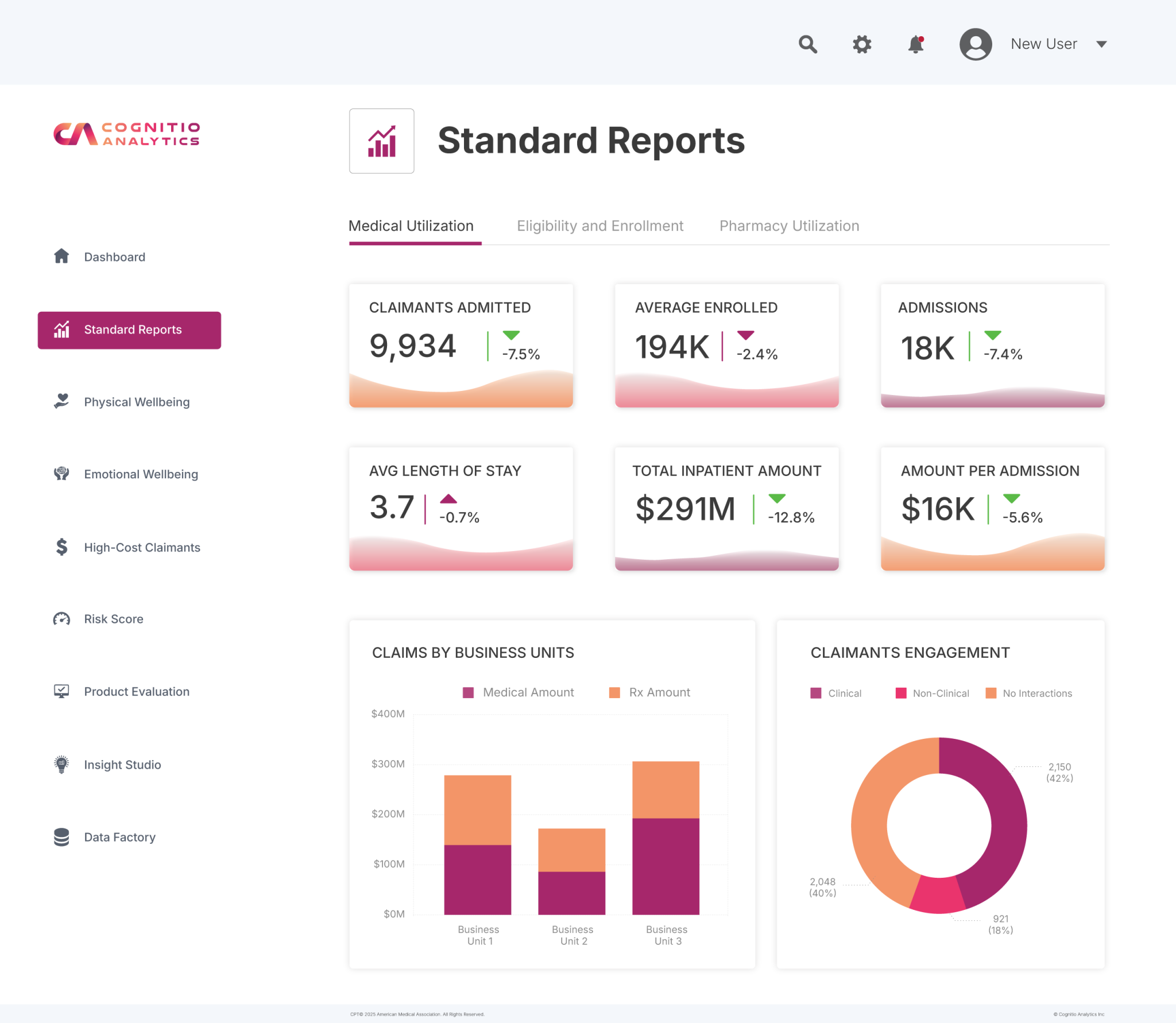
Explore how Total Rewards Analytics brings together your benefits data into a single, reliable view—helping HR and Finance align, uncover insights, and make smarter investments in your workforce.
The most serious impact of limited data is not just operational inefficiency. It is risk.
Cost risk builds when healthcare trends are spotted too late.
Equity risk builds when perceived value of benefits differs across groups and goes unnoticed. Strategic risk builds when Total Rewards investments are not tied to measurable outcomes.
Organizations often underestimate how much financial exposure sits inside their benefits programs. Without structured analytics, it becomes difficult to predict future spend, test alternative strategies, or justify investments to leadership.
What looks manageable today can become a material issue next year.
From reporting to decision intelligence
The solution is not more reports. It is better visibility and structured analysis.
When Total Rewards data is unified, standardized, and analyzed consistently, the conversation changes. Instead of asking what happened last year, leaders begin asking what will happen next. Instead of reacting to vendor renewals, they evaluate scenarios. Instead of debating cost versus value, they examine tradeoffs with evidence.
Total Rewards is too important to run on instinct alone. It requires the same level of rigor that organizations apply to finance, operations, and supply chain.
You cannot manage what you cannot see. And you cannot optimize what you do not measure.
In 2026, the organizations that treat Total Rewards as a data driven discipline will not just control costs better. They will make smarter, more confident decisions about how they invest in their people.
Explore the Latest
Insights, stories, and trends shaping the future of work and rewards.